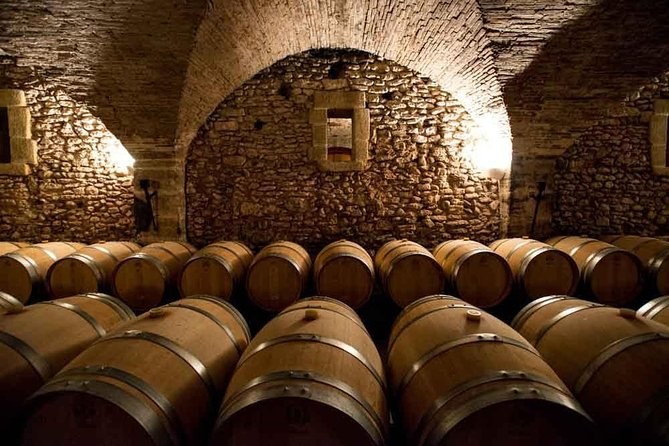
Chateauneuf du Pape wine tour
Seven hours from rue de Mons beside the palace: a vineyard stop, three wineries, an old village cellar and a long lunch break at your own cost. No children.
From $203 per person
Check AvailabilityWine tasting from Avignon means the Rhône crus, a short drive north: Châteauneuf-du-Pape, Gigondas, Vacqueyras and their neighbours. Here is what each one pours and how a visit to an estate works. To compare the days themselves, see avignon wine tours.
You are in the southern Rhône Valley here, not in the Provence wine country. The crus sit a short drive north, and each is an appellation in its own right. Inter Rhône, the wine body, gives these dates.
| Cru | Colours | Its own appellation since | Where it lies |
|---|---|---|---|
| Châteauneuf-du-Pape | Red and white | 1936 | Five communes on the left bank, north of Avignon |
| Gigondas | Red and rosé | 1971, the first Villages wine made a cru | Under the Dentelles de Montmirail |
| Vacqueyras | Red, white and rosé | 15 August 1990 | Beside Gigondas |
| Beaumes-de-Venise | Red | 9 June 2005 | South of the Dentelles |
| Rasteau | Dry red; sweet Vin Doux Naturel | 2010 for the red; 1944 for the sweet wine | North-east, sheltered from the wind |
You taste reds above all. Gigondas and Vacqueyras add rosé, and Vacqueyras and Châteauneuf-du-Pape add white. Rasteau keeps an older tradition of sweet wine as well.
Châteauneuf-du-Pape is named for the popes, and a ruined castle still stands above the village. The appellation was one of the first recognised, by decree of 15 May 1936. It covers five communes: Bédarrides, Châteauneuf-du-Pape, Courthézon, Orange and Sorgues.
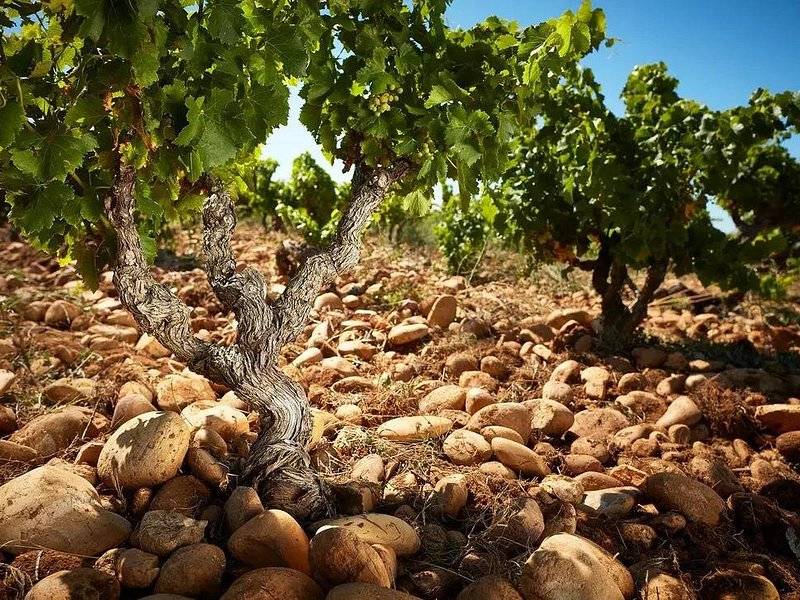
The rules list 18 grape varieties, counting their colour variants. The soils mix clay, limestone, sand, sandstone and the rounded pebbles you see in the photographs. The Mistral blows through the vines and keeps them dry.
A full day in the village gives you three wineries and a tasting in an old cellar. The afternoon half day gives you two estates and a stop at the castle ruins.
Gigondas and Vacqueyras sit side by side under the Dentelles de Montmirail, a line of limestone peaks. Gigondas became a cru in 1971, the first Côtes du Rhône Villages wine to do so. It makes reds and rosés.
Vacqueyras followed on 15 August 1990, and makes red, white and rosé. Its name comes from the Latin for "valley of stones". Since 1998 it has been the official wine of the Festival d'Avignon.
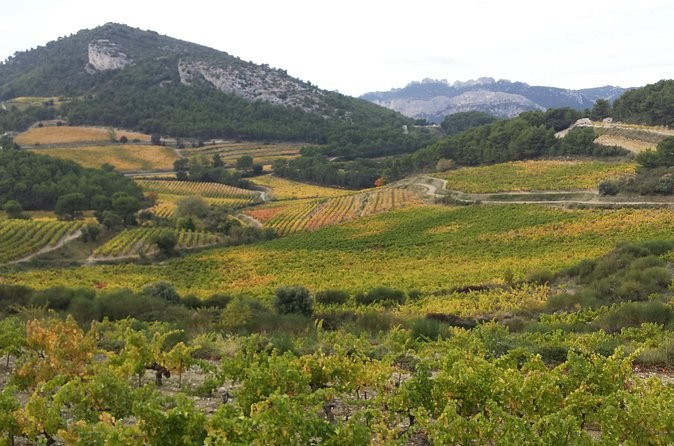
The half days that reach this corner give you Gigondas, Vacqueyras or Séguret, then finish in Châteauneuf-du-Pape. You see more villages and spend less time at each estate.
Beaumes-de-Venise lies on the southern side of the Dentelles. Its red wine became a cru on 9 June 2005, after years as a Villages wine. Its soils include the white Cretaceous earth around La Roque-Alric.
Rasteau became a cru in 2010 for its dry red. It has made a sweet Vin Doux Naturel since 1935, with its own appellation from 1944. The vineyards face south and are sheltered from the Mistral. One half day starts at a Beaumes-de-Venise or Rasteau estate before Gigondas.
A wine day follows the same pattern wherever it goes. Here is what you can expect:
Read the fare before you book. Most half days put the tastings in the fare. On the full Châteauneuf-du-Pape day and the shorter Châteauneuf-du-Pape tasting day, the itinerary lists the visits and tastings, while the Includes list names only the vehicle; ask before you book if that matters to you.
Compare the half and full days to the Rhône crus, with what each fare covers.
You taste indoors, but you walk the vines outside. In July and August Avignon averages over 31 °C by day, so take a hat for the vineyard stop. The Mistral blows hard on about 108 days a year, most of them in winter and spring.
September brings the first autumn rain, about 91 mm on average. In summer, the cellars are the cool part of your day, so save the vineyard walk for the morning.
Every appellation date, colour and soil above comes from Inter Rhône's pages for each cru, and the climate from Météo-France, checked 28 September 2026. What each wine day visits comes from its own listing.
Seven hours from rue de Mons beside the palace: a vineyard stop, three wineries, an old village cellar and a long lunch break at your own cost. No children.
From $203 per person
Check Availability
Five hours from a meeting point pinned on the map when you book, with two or three tastings, a winemaking visit or one more pour, and vineyard photo stops. Adults only.
From $96 per person (minimum 2)
Check Availability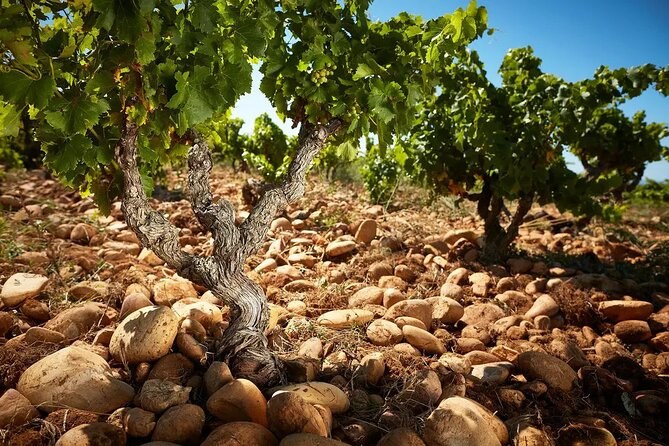
Five hours from the tourist office, three of them at the estates north of the city. The fare lists only the minivan, so ask the operator what it covers.
From $110 per person
Check AvailabilityNext: plan the season on the best time to visit, read Avignon weather, or compare every tour on Avignon Tours.